Source Eco Friendly Skateboard Keychain for Gifts, Promos, Events
Find and compare 30 eco friendly skateboard keychain options from verified suppliers. Buyers can review customization, materials, and pricing to select the right promotion gifts or business accessories for their needs.
Key considerations
Products List


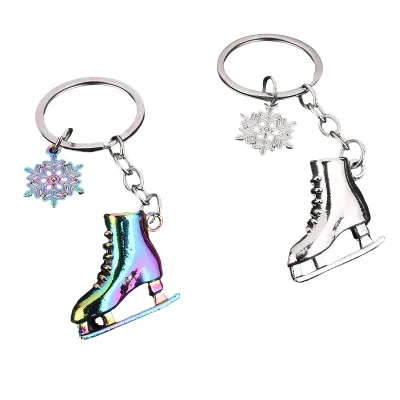


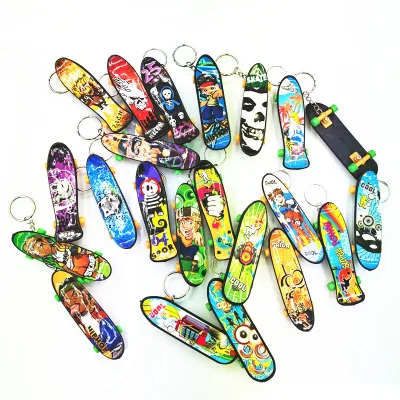


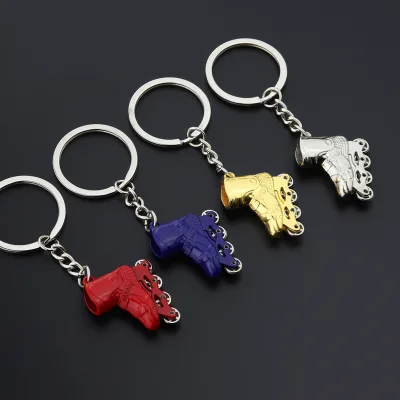
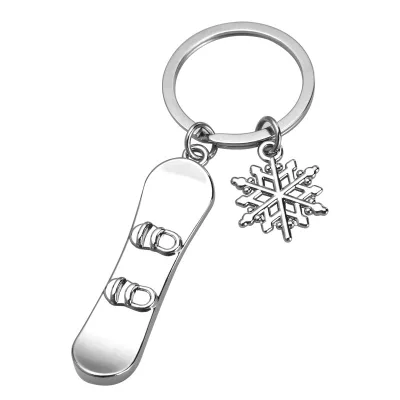
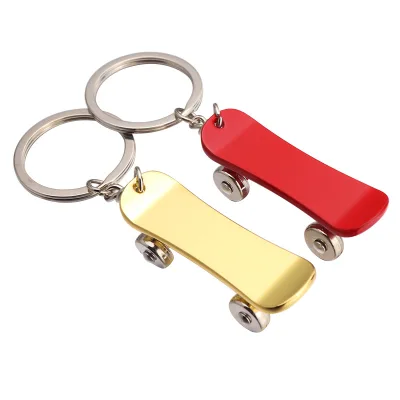


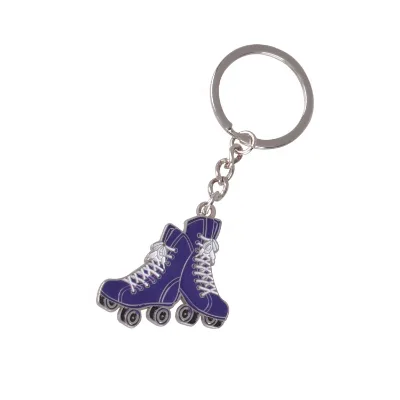

Comprehensive Sourcing Guide
Strategic Sourcing Guide for Eco-Friendly Skateboard Keychains
Understanding the Product Category and Material Composition
When sourcing an eco-friendly skateboard keychain, buyers must first distinguish between the visual aesthetic and the actual material composition. The term "skateboard" in this context often refers to the shape or design motif rather than the functional use of a skateboard. Based on available market data, the core material for such items frequently includes stainless steel, which offers durability and a premium feel, or artificial leather, which provides a softer, textured alternative. The supply chain for these items often originates from manufacturing hubs in China, specifically regions like Fujian and Guangdong, where specialized metalworking and leather processing facilities are concentrated.
The material selection is critical for meeting the "eco-friendly" criteria. Stainless steel is a highly recyclable metal, and its longevity reduces the need for frequent replacement, aligning with sustainable procurement goals. Conversely, artificial leather products require careful vetting to ensure the synthetic materials used do not contain harmful volatile organic compounds (VOCs) or heavy metals. The processing methods also vary; some units are produced via die-casting for complex metal shapes, while others utilize engraving or embossing techniques to create the skateboard design. Buyers should verify that the "eco-friendly" claim is supported by the specific material composition and not just a marketing label. For instance, a keychain described as having a "Metal" material type with a "Polished" surface treatment may offer a different sustainability profile than one made of "Artificial Leather" with "Engraved" processing.
Technical Specifications and Customization Capabilities
The technical specifications for skateboard keychains are highly flexible, driven by the demand for promotional and corporate branding. A primary feature of this category is the availability of customization. Suppliers typically offer options to customize the size, color, and specific design elements to match a client's brand identity. The standard production models often include specific identifiers, such as "Multifunction Keychain-083D" or "Golf Keychains-017I," which indicate the functional versatility of the item. These keychains are not limited to holding keys; they often integrate multiple utilities such as compasses, photo frames, flashlights, bottle openers, and coin holders.
Customization extends to the surface treatment and printing methods. Common finishes include polished surfaces for metal variants and baking varnish to protect the design. Printing techniques can range from standard embossing to more complex multi-color methods, with some suppliers offering up to six-color printing capabilities. The shape of the keychain is a defining characteristic, with options available in human figures, animal shapes, and specifically skateboard silhouettes. The size is often listed as "Customized," allowing buyers to specify dimensions that fit their packaging or branding requirements, though "Normal" sizes are also available for standard inventory.
| Feature | Standard Offering | Customization Options |
|---|---|---|
| Material | Stainless Steel, Artificial Leather | Metal, specific eco-materials |
| Shape | Skateboard, Human, Animal | Full design freedom |
| Surface | Polished, Baking Varnish | Custom textures, coatings |
| Printing | Embossing, 6-color print | Custom logos, photos |
| Size | Normal, Customized | Specific dimensions |
| Color | Customized | Brand-matched Pantone |
Compliance, Certification, and Environmental Claims
Verifying the "eco-friendly" status of a skateboard keychain requires a rigorous approach to compliance and certification. While the product attributes list features such as "Eco-Friendly" and "Anti Rust," these are observations that must be validated through documentation. Buyers should not assume that a product labeled as eco-friendly automatically meets international environmental standards. The absence of specific certification names in the general product data necessitates that the buyer explicitly request proof of compliance from the supplier.
Key areas of verification include the sourcing of raw materials. For metal keychains, the buyer should inquire about the recyclability of the stainless steel and the absence of lead or nickel in the alloy. For artificial leather components, the focus should be on the absence of phthalates and the use of bio-based or recycled synthetic polymers. The "Anti Rust" feature is a functional claim that suggests a high-quality surface treatment, which indirectly supports sustainability by extending the product's lifespan. However, the specific standards governing these claims, such as ISO 14001 for environmental management or specific REACH compliance for chemical safety, must be confirmed on a case-by-case basis.
Buyers must also scrutinize the "Standard" attribute. The provided data indicates that product standards are "customized," which implies that there may not be a single universal standard for all items in this category. This variability means that the buyer must define the required standard in the purchase order and request a Certificate of Analysis (CoA) or a Declaration of Conformity (DoC) that aligns with the target market's regulations. For instance, if the product is intended for the European market, compliance with EU chemical regulations is mandatory. In the absence of pre-verified certifications, the procurement process must include a step for third-party laboratory testing to validate the eco-friendly assertions.
Cost Drivers and Minimum Order Quantities
The cost structure for eco-friendly skateboard keychains is influenced by several factors, including material selection, customization complexity, and order volume. The observed price range in the market is approximately $0.04 to $1.78 per unit. This wide variance is primarily driven by the material type and the level of detail in the design. A simple metal keychain with basic polishing will likely fall at the lower end of the spectrum, while a multifunctional unit with complex engraving, multiple colors, and integrated tools will command a higher price.
Minimum Order Quantity (MOQ) is another significant cost driver. The data indicates a broad MOQ range, from as low as 10 pieces to as high as 1000 pieces, with a specific high-confidence observation of 500 pieces for certain models. This variability suggests that suppliers have different production setups; some may be capable of handling small, bespoke runs for startups, while others require larger volumes to justify the setup costs for die-casting or custom molding. Buyers should be aware that ordering below the standard MOQ of 500 pieces may result in a higher unit price or a setup fee. Conversely, ordering in larger quantities can significantly reduce the per-unit cost, making it a viable strategy for large-scale promotional campaigns.
The "Customization" attribute also impacts cost. Requests for specific colors, unique shapes, or complex printing methods like 6-color printing will increase the unit price. Additionally, the "OEM/ODM" capability of the supplier plays a role; suppliers offering full design and manufacturing services may charge a premium for the intellectual property and engineering support involved. Buyers should negotiate based on the total cost of ownership, considering not just the unit price but also the tooling costs, shipping, and potential inventory holding costs.
Typical Applications and Usage Scenarios
The versatility of skateboard keychains makes them suitable for a wide array of applications, particularly in the realm of promotional gifts. The "Usage" attribute explicitly lists "Promotion Gifts" as a primary function, alongside practical uses such as bag pendants, key accessories, and holiday gifts. The multifunctional nature of these items, which can include compasses, flashlights, and bottle openers, enhances their utility as corporate giveaways. Companies often use these items to brand merchandise that employees or clients will use daily, thereby increasing brand visibility.
The "Style" of the keychain, ranging from "Business" to "Retro" and "Cute," allows for targeted marketing. A business-oriented client might prefer a sleek, stainless steel skateboard keychain with a polished finish and a minimalist logo, while a youth-oriented campaign might opt for a colorful, animal-shaped, or retro-styled version. The "Age" attribute noting "New" suggests that these products are designed for contemporary markets and are not intended as vintage reproductions.
Furthermore, the "Design" attribute mentioning "as Photo" indicates that these keychains can be customized with personal images, making them ideal for event souvenirs, wedding favors, or commemorative gifts. The ability to integrate multiple functions, such as a coin holder or a watch face, transforms the keychain from a simple accessory into a functional tool, increasing the perceived value for the recipient. This multifunctionality is a key selling point for buyers looking to maximize the impact of their promotional budget.
Supplier Evaluation and Quality Control Protocols
Selecting the right supplier is critical for ensuring that the "eco-friendly" claims are genuine and that the product quality meets expectations. Buyers should evaluate suppliers based on their location, production capabilities, and transparency. The data points to origins in Fujian and Guangdong, China, which are known for their manufacturing expertise in metal and leather goods. However, location alone is not a guarantee of quality. Buyers must verify the supplier's capacity for "Die-Casting" and "Engraving" processes, as these are the primary methods used for the observed product models.
Quality control should be a central part of the procurement strategy. Given the "Customized" nature of the products, buyers should implement a rigorous inspection protocol. This includes verifying the material composition to ensure it matches the agreed-upon specifications, such as stainless steel or specific artificial leather types. Surface treatments like "Polished" or "Baking Varnish" must be inspected for consistency and durability. The "Anti Rust" feature should be tested under simulated environmental conditions to ensure the claim holds true over time.
Buyers should also request samples before placing a bulk order to assess the "Quality" attribute, which is often described as "Best" in marketing materials but requires physical verification. The "Single gross weight" of 0.038 KG and "Single package size" of 2.0x2.0x2.0 cm provide baseline metrics for logistics planning, but these should be confirmed for the specific custom design. Additionally, the "Packing" method, typically "Opp Bag," should be evaluated to ensure it protects the product during transit and aligns with sustainability goals, such as using recyclable packaging materials.
Long-Term Procurement and Relationship Management
Sourcing eco-friendly skateboard keychains is not just a one-time transaction but a strategic initiative that requires long-term planning. The "OEM" and "ODM" capabilities of suppliers suggest a potential for ongoing collaboration. Buyers should establish a relationship with suppliers who can scale production as their promotional needs grow. The flexibility in "Size" and "Color" customization allows for product evolution over time, enabling buyers to refresh their branding without changing the core product line.
Sustainability should be a continuous focus. As environmental regulations tighten, buyers must stay ahead of compliance requirements. This involves maintaining open communication with suppliers regarding material sourcing and production processes. Regular audits or third-party assessments can help ensure that the "Eco-Friendly" label remains valid and that the supplier adheres to ethical labor practices and environmental standards.
Furthermore, the "Customization" aspect allows for innovation. Buyers can work with suppliers to develop new designs or integrate new technologies, such as solar-powered flashlights or biodegradable materials, to keep the product line relevant. The ability to produce "Multifunction" keychains means that the product can adapt to changing consumer preferences and market trends. By fostering a collaborative relationship with the supplier, buyers can ensure a steady supply of high-quality, sustainable keychains that meet their evolving business needs.
FAQs
What materials are used for eco friendly skateboard keychains?
Stainless steel and artificial leather are the primary materials used for these keychains. Stainless steel offers durability and recyclability, while artificial leather provides a textured alternative. Buyers must verify that synthetic leather components do not contain harmful chemicals to ensure genuine eco-friendly status.
Can these keychains be customized for branding purposes?
Yes, customization is available for size, color, and design elements to match client branding. Suppliers offer options for die-casting, engraving, and embossing printing. Some models support specific design requests like photos, allowing for unique corporate identity integration on the keychain surface.
What is the typical minimum order quantity for these items?
The minimum order quantity ranges from 10 pieces to 1000 pieces depending on the supplier. A specific high-confidence observation notes an MOQ of 500 pieces for certain models. Ordering below standard MOQs may result in higher unit prices or setup fees for custom production runs.
How are the keychains finished to ensure durability?
Common surface treatments include polishing for metal variants and baking varnish for protection. These finishes help prevent rust and extend the product lifespan. Buyers should verify that anti-rust claims are supported by specific surface treatment processes used during manufacturing.
Which features make these keychains suitable for promotion gifts?
They are designed as promotion gifts with multifunctional utilities like compasses, flashlights, and bottle openers. The style ranges from business to retro and cute to suit various demographics. Their ability to hold coins or photos adds value, making them effective corporate giveaways for daily use.
Where are these keychains typically manufactured?
Production origins are primarily in China, specifically regions like Fujian and Guangdong. These hubs host specialized facilities for metalworking and leather processing. Buyers should confirm the specific factory location to ensure alignment with their logistics and sourcing strategy requirements.